
Why Traceability Matters So Much For Food Safety Programs
Traceability is often the difference between a controlled incident and a national headline. In Australia, where supply chains run from regional farms to metro distribution centres, food safety programs need traceability to prove what happened, when it happened, and what to do next.
It is not just about compliance. Traceability helps protect customers, brands, and the people who handle food at every step.
What does “traceability” actually mean in Australian food operations?
Traceability means they can track food one step back and one step forward through the supply chain. In practice, it links ingredients, packaging, processing, storage, transport, and sale to clear records.
For Australian businesses, this usually includes supplier details, batch or lot codes, production dates, dispatch information, and customer delivery records, stored in a way that can be retrieved fast when needed.
Why do food safety programs rely on traceability in the first place?
Because food safety programs are only as strong as the evidence behind them. Traceability provides the proof that controls were applied and that risks were identified and managed.
When an incident occurs, businesses need to show where the affected product came from, where it went, and whether other batches share the same risk. Without that, response becomes guesswork.
How does traceability reduce the impact of a recall in Australia?
It narrows the recall to the specific batches that are actually affected. That speed and precision can cut costs, reduce waste, and limit brand damage.
In Australia, recalls may involve retailers, distributors, and online channels across multiple states. Strong traceability helps them quickly identify impacted locations and customers, rather than pulling everything “just in case,” which can cripple cashflow.
What happens when traceability is weak during a food incident?
They lose time, and time is the most expensive thing in a safety event. Weak traceability often forces businesses to broaden recalls, pause production, and contact far more customers than necessary.
It also increases the chance of inconsistent messaging to regulators, retailers, and the public. For food safety programs, that confusion can look like poor control, even when the root issue is simply missing or messy records.
How does traceability support HACCP and risk-based controls?
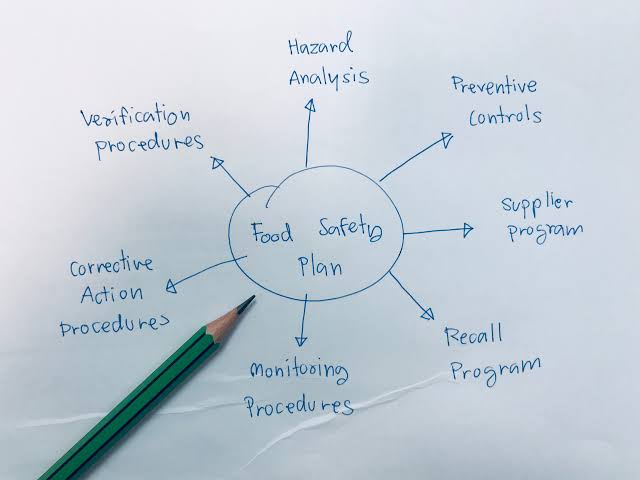
Traceability connects critical control points to real product outcomes. They can link monitoring records, corrective actions, and verification activities to the exact batches produced during a shift.
That matters because food safety programs are meant to be auditable and repeatable. If a temperature deviation happens, traceability helps confirm which lots were held, reworked, or released, and whether any product must be contained.
Why is traceability essential for allergen management in Australia?
Because allergen incidents are often batch-specific and time-sensitive. If they discover an undeclared allergen risk, they need to identify which ingredients, rework, or line changeovers contributed to it.
For Australian processors supplying major retailers, allergen controls often require documented line clearance, label verification, and ingredient traceability. Good traceability supports faster, narrower responses and reduces the chance of over-recalling safe products.
How does traceability help manage microbiological risks like Listeria?
It helps them pinpoint where contamination may have entered and which products share exposure. They can map ingredient lots, production runs, equipment zones, and dispatch records to build a timeline.
In chilled and ready-to-eat categories, food safety programs depend on environmental monitoring and corrective actions. Traceability ties swab results and cleaning events to production windows, so decisions about holds and releases are based on evidence, not instinct.
What do Australian regulators and standards expect from traceability?
They expect businesses to show they can trace product quickly and accurately. Requirements vary by sector, but the core expectation is that records are complete, legible, and retrievable.
Many Australian businesses also align to retailer requirements and third-party standards such as SQF, BRCGS, or FSSC 22000. In each case, traceability is a practical test of whether food safety programs are functioning day to day.
How fast should a business be able to trace product during a mock recall?
Fast enough that they can act before risk spreads. Many businesses aim for a few hours, not days, especially when distribution reaches multiple states.
Mock recalls are where traceability stops being theoretical. They reveal gaps like missing lot links, unclear rework records, or dispatch data that lives in someone’s inbox. For food safety programs, a mock recall is often the most honest performance check.
Where do traceability systems usually break in real facilities?
They usually break at handovers and exceptions. Common failure points include rework, relabelling, mixed pallets, partial ingredient use, manual paperwork, and last-minute schedule changes.
It is also common to see lot codes recorded on one document but not carried into the next system. When that happens, food safety programs may look complete on paper, but the chain of evidence has hidden holes.
How can businesses improve traceability without overcomplicating operations?
They can start by standardising what must be recorded at each step and removing duplicate entry. Clear rules for lot naming, label formats, rework recording, and hold procedures usually deliver quick wins.
They should also design traceability around how work actually flows on an Australian shift, including agency staff, peak-season pressure, and night operations. A simple system used consistently beats a complex one used “most of the time.”
What role does digital traceability play for Australian supply chains?
Digital tools reduce errors, speed retrieval, and improve visibility across sites. Barcode scanning, integrated ERP, and electronic batch records can replace fragile spreadsheets and handwritten logs.
For multi-site producers and distributors, digital traceability supports stronger food safety programs by making it easier to run mock recalls, reconcile inventory, and prove chain-of-custody across state lines.
Why does traceability matter for suppliers, not just manufacturers?
Because the quality of their inputs determines the quality of the output records. If suppliers provide unclear COAs, inconsistent lot codes, or incomplete delivery paperwork, traceability breaks before production even begins.
Australian businesses can strengthen food safety programs by setting supplier expectations, verifying documentation on receival, and rejecting deliveries that cannot be traced properly. That approach prevents downstream chaos later.
How does traceability protect a brand’s reputation and customer trust?
It allows them to respond with clarity. When they can state exactly which products, dates, and locations are involved, customers feel they are being treated honestly and competently.
In contrast, vague public messaging often signals that the business does not know what happened. For food safety programs, traceability supports confident decisions and transparent communication, which is what protects trust when something goes wrong.
What should a good traceability record include in a practical sense?
It should allow someone else to reconstruct the story of the product without needing tribal knowledge. At minimum, that usually means supplier name, ingredient lot, receiving date, batch ID, processing date and line, packaging lot, quantity, dispatch date, and customer details.
For Australian operations, it also helps to include temperature records where relevant, hold and release decisions, and any rework links, because those are the details that often decide the scope of an incident.
How can they test whether their traceability is truly working?
They can run a mock recall using a real batch and force the process to rely only on written or digital records. If they need phone calls, memory, or “the usual way we do it,” traceability is not robust enough.
They should time the exercise, confirm quantities reconcile, and check whether they can trace forward to customers and back to raw materials. When gaps appear, updating food safety programs should focus on preventing the same gap, not just fixing the paperwork.
What is the bottom line on why traceability matters so much?
Because it turns a safety system into a defensible one. Traceability helps them act quickly, recall precisely, prove compliance, and protect customers across Australia’s complex supply networks.
Most importantly, it makes food safety programs real in the moments that matter, when pressure is high and the cost of being wrong is even higher.
Traceability in Australian food operations means the ability to track food one step back and one step forward through the supply chain. It links ingredients, packaging, processing, storage, transport, and sale to clear records including supplier details, batch or lot codes, production dates, dispatch information, and customer delivery records that can be retrieved quickly when needed.
Traceability is essential for food safety programs because it provides the evidence that controls were applied and risks were managed. It enables businesses to show where affected products originated and where they were distributed, allowing for precise and effective responses during incidents rather than guesswork.
Traceability narrows recalls to specific affected batches, enabling faster and more precise action. This reduces costs, limits waste, and minimizes brand damage by identifying impacted locations and customers across retailers, distributors, and online channels throughout multiple states.
Weak traceability leads to loss of time—the most expensive factor in safety events—forcing broader recalls, production pauses, and contacting more customers than necessary. It also increases inconsistent messaging to regulators and the public, potentially undermining confidence in food safety programs due to missing or disorganized records.
Traceability connects critical control points with real product outcomes by linking monitoring records, corrective actions, and verification activities to exact batches produced. This ensures that food safety programs are auditable and repeatable; for example, confirming which lots were held or released after a temperature deviation based on solid evidence.
Traceability is vital for allergen management because allergen incidents are often batch-specific and time-sensitive. It helps identify ingredients or processes contributing to undeclared allergens. For processors supplying major retailers, documented line clearance, label verification, and ingredient traceability enable faster responses that narrow recalls and reduce unnecessary removal of safe products.
