
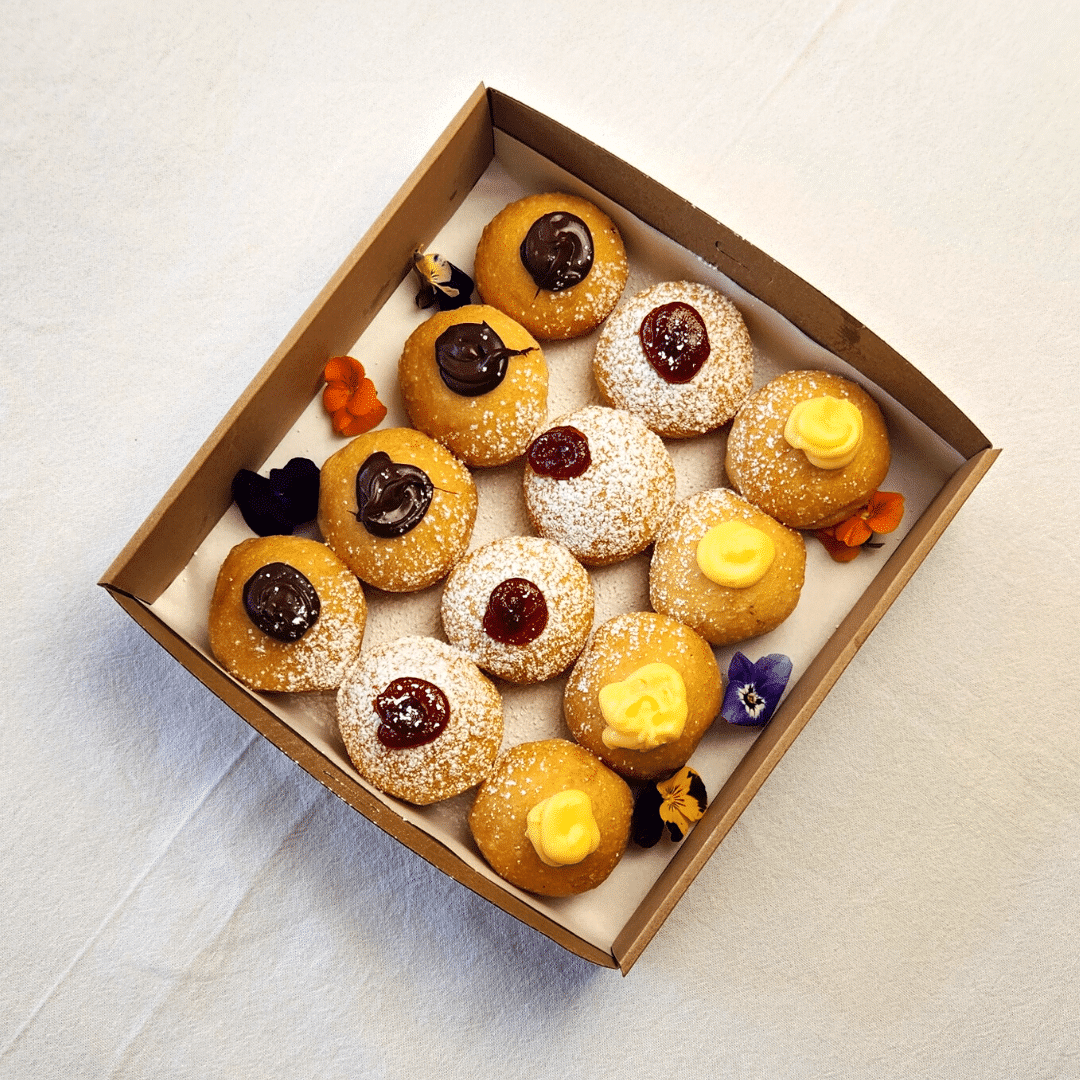
What to Know Before Booking Donut Delivery for an Office
This guide covers what they should check before placing donut delivery for an office anywhere in Australia, whether it’s a Friday shout, a client meeting, or a company milestone.
How many donuts should they order for an office?
Most teams are covered by budgeting 1.5 to 2 donuts per person. That range accounts for bigger appetites, repeat snackers, and a few extras for late arrivals.
For meetings with visitors, they should add a buffer of 10 to 20 percent. If it’s a long workshop, pairing donuts with fruit or yoghurt can reduce over-ordering while still keeping the table full.
What mix of flavours works best for mixed teams?
A balanced box usually beats a “pick favourites” approach. They should aim for a core of classic crowd-pleasers with a smaller set of adventurous flavours for variety.
A practical rule is 60 percent classics (cinnamon, jam, glazed), 30 percent chocolate or filled, and 10 percent seasonal or premium. That mix reduces leftovers and keeps most people happy without overthinking it.
Which dietary needs should they plan for in Australia?
They should expect at least one or two dietary requirements in most workplaces. In Australia, the most common requests are dairy-free, egg-free, nut-free, gluten-free, and vegan, plus halal preferences in some teams.
They should not guess. A quick anonymous Slack poll the day before works well. If the supplier cannot clearly label allergens, they should choose a different provider for donut delivery for an office.
How do they avoid allergen cross-contact issues?
They should treat “may contain” and shared-fryer risks seriously, especially for nut allergies. Many donut kitchens use shared equipment, and “gluten-free” can mean “no gluten ingredients” rather than safe for coeliac staff.
They should ask if items are made in a dedicated area, how they’re packaged, and whether separate boxes are sealed. Clear labelling on arrival matters as much as the ingredients list.
When is the best time to schedule delivery?
They should schedule delivery for when the most people are present and before the busiest part of the day. In many Australian offices, 9:00 to 10:30 am works better than mid-afternoon, when meetings and school pickups start to thin attendance.
If it’s for a specific agenda item, they should allow a 15 to 30 minute buffer. Timed catering only works when the office calendar is realistic.
What details should they confirm about the delivery location?
They should confirm the exact address, tower name, level, reception instructions, and a contact number that will be answered. CBD buildings in Sydney, Melbourne, Brisbane, Perth, and Adelaide often require sign-in, loading bay access, or security calls.
If the driver cannot park or reach the level, the order can end up delayed at reception. For donut delivery for an office, clear instructions prevent the classic “it’s downstairs” scramble.
How far ahead should they book donut delivery?
For standard boxes, 24 to 48 hours is usually enough. For large headcounts, custom branding, or peak periods, they should book earlier.
In Australia, they should plan ahead for end-of-year parties, EOFY celebrations, public holiday weeks, and major event days such as the Melbourne Cup, when workplace demand for catering can increase. Exploring office catering ideas early can also help teams organise suitable dietary options before popular dates become fully booked.
What should they check about freshness and shelf life?
They should ask when the donuts are made and how they’re transported. Many donuts are best within a few hours, especially filled varieties, which can soften quickly.
If delivery is early and the event is later, they should choose styles that hold up, such as cinnamon, glazed, or cake-style donuts. For donut delivery for an office, freshness is often the difference between “nice” and “wow.”
How should they handle coffee and drinks alongside donuts?
They should decide whether donuts are a standalone treat or part of a morning tea spread. Donuts pair well with filter coffee, tea, and water, but sugar-heavy options often increase demand for savoury or fruit on the side.
If they are providing coffee, they should check cup numbers, milk options, and whether the office has enough mugs, teaspoons, and napkins. A great box can be undermined by a lack of basics.
What packaging and setup should they request?
They should request packaging that suits the space. Individual boxes can help with hygiene and allergies, while larger share boxes are cheaper and faster to set up.
For open-plan offices, they should ask for trays, tongs, and clear labels to keep serving organised. For client-facing meetings, they should request a neat presentation with minimal mess. A well-planned corporate morning tea setup can make donut delivery for an office feel polished and intentional rather than improvised.
How can they keep the order within budget?
They should set a per-person budget and then decide where to spend. Premium flavours, filled donuts, and branded packaging add up fast, especially at scale.
A reliable approach is to keep most of the order standard, then add a small premium box for the “centre of table” effect. If delivery fees are high, consolidating into one drop and one time window usually saves money.
Should they choose individual donuts or mixed boxes?
Mixed boxes are usually safer for offices because they reduce decision fatigue and cover broader preferences. Individual selection is best when the team is small or when they have strong dietary splits.
If they do individual selection, they should set a deadline and a simple form. For donut delivery for an office, the admin time can cost more than the donuts if they let ordering become a negotiation.
What should they ask about minimum order sizes and delivery fees?
They should confirm the minimum order amount, delivery radius, and whether fees change by suburb or time. Some Australian providers charge extra for CBD access, weekend delivery, or narrow delivery windows.
They should also check whether fees rise for multiple drop-off points. If the office has split floors or a second location, it can be cheaper to bring everything to one central spot.
How do they plan for hybrid teams and remote staff?
They should decide whether the gesture is for the in-office group only or for the whole team. For hybrid workplaces, fairness matters, especially if treats are frequent.
Some teams rotate “in-office perks” with digital vouchers for remote staff. Others align donut delivery for an office with anchor days when most people attend in person.
What should they do if the delivery is late or incorrect?
They should check the supplier’s policy before ordering. That includes what happens if items are missing, damaged, or delayed, and whether they offer refunds, replacements, or credits.
On the day, they should assign one person to receive the order, count boxes quickly, and photograph any issues immediately. Quick action makes resolutions easier and protects future orders.
How can they make donut delivery feel special for office events?
They can make it feel special by matching flavours to the occasion and presenting it well. For birthdays, they might add a candle pack and a simple card. For client meetings, they might choose a refined mix and cleaner finishes.
If it’s a launch or milestone, branded stickers or a short printed note can lift perceived value. Small touches improve donut delivery for an office without changing the core order.

What are the most common mistakes to avoid?
They should avoid ordering too many filled donuts, ignoring dietary needs, and scheduling doughnut delivery Sydney businesses when half the team is out. They should also avoid vague reception instructions and last-minute ordering during peak weeks.
Another common mistake is skipping napkins and labels. For donut delivery for an office, the simplest wins are often operational, not flavour-related.
What quick checklist should they use before they book?
They should confirm headcount, timing, dietary needs, and building access first. Then they should finalise mix, packaging, and a backup plan if the delivery runs late.
A simple checklist they can use:
- Headcount and buffer amount
- Dietary requirements and allergen labelling
- Delivery window and onsite contact
- Exact address, level, and reception process
- Flavour mix and packaging choice
- Drinks, napkins, tongs, and bin access
- Policy for late or incorrect orders
When they cover these basics, donut delivery for an office becomes an easy win that feels thoughtful, not rushed.
FAQs (Frequently Asked Questions)
How many donuts should I order for an office event?
For most teams, budgeting 1.5 to 2 donuts per person works well. This accounts for bigger appetites, repeat snackers, and a few extras for late arrivals. For meetings with visitors, adding a buffer of 10 to 20 percent is recommended. Pairing donuts with fruit or yoghurt during long workshops can help reduce over-ordering while keeping the table full.
What is the best mix of donut flavours for a mixed office team?
A balanced box usually works best. Aim for about 60% classic crowd-pleasers like cinnamon, jam, and glazed; 30% chocolate or filled varieties; and 10% seasonal or premium flavours. This mix reduces leftovers and satisfies most tastes without overcomplicating the order.
Which dietary needs should I consider when ordering donut delivery for an Australian office?
Common dietary requirements include dairy-free, egg-free, nut-free, gluten-free, vegan options, and halal preferences in some teams. It’s important not to guess—conducting a quick anonymous poll before ordering helps identify needs accurately. Also, ensure your supplier clearly labels allergens to avoid risks.
How can I prevent allergen cross-contact issues with donut deliveries?
Treat ‘may contain’ warnings and shared-fryer risks seriously, especially for nut allergies. Ask if items are made in dedicated areas and how they are packaged. Separate sealed boxes and clear labelling on arrival are crucial to minimize allergen cross-contact risks.
When is the best time to schedule donut delivery for an office?
Schedule delivery when most people are present and before the busiest part of the day—typically between 9:00 to 10:30 am in many Australian offices. Avoid mid-afternoon when attendance thins due to meetings or school pickups. For specific agenda items, allow a 15 to 30 minute buffer.
What details should I confirm about the delivery location for office donut orders?
Confirm the exact address, tower name, floor level, reception instructions, and a contact number that will be answered on delivery day. CBD buildings often require sign-in or loading bay access; providing clear instructions prevents delays like orders being stuck at reception.
